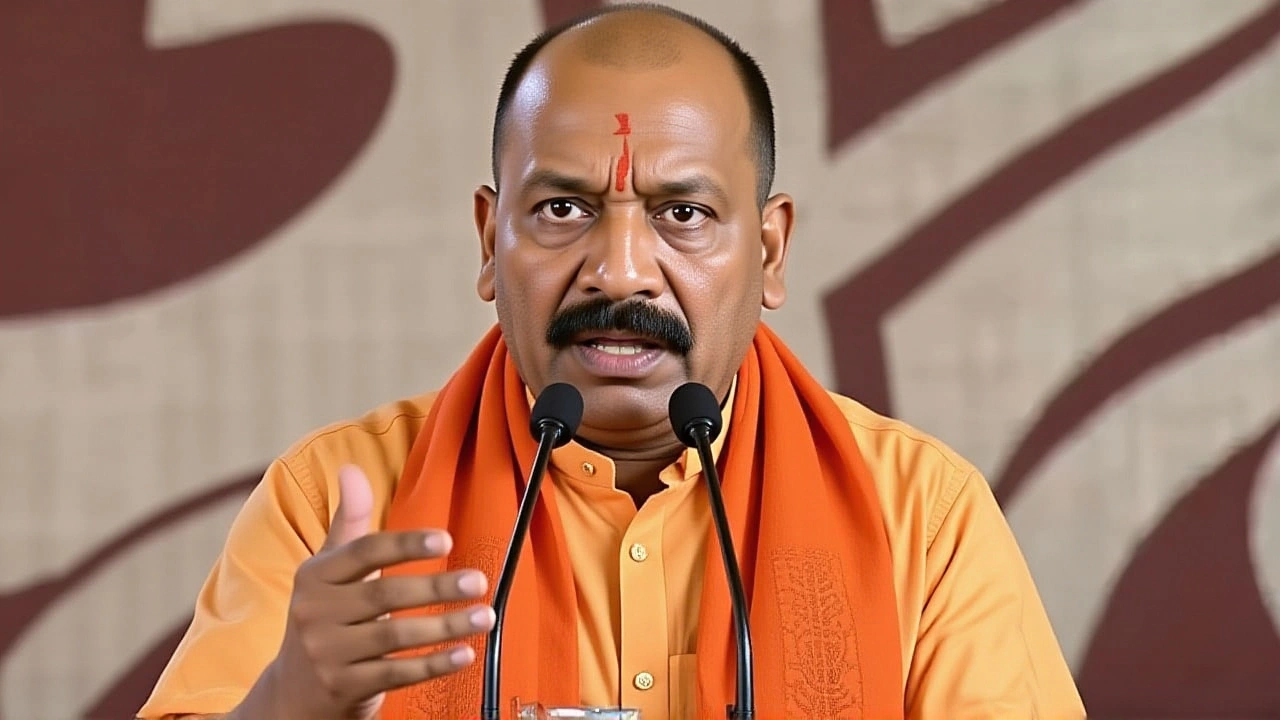
When Yogi Adityanath, Chief Minister of Uttar Pradesh, snapped at his energy department officials last week, the message was clear: no more excuses. Amid a blistering heatwave that has pushed temperatures to dangerous levels across northern India, the state government has cracked down on erratic electricity supply. Two senior officers were suspended on May 23, 2026, for failing to ensure stable power during peak demand hours.
The directive came from Lucknow, where the capital city’s grid had struggled to cope with soaring air conditioner usage. But this isn’t just about one city. The order mandates 24-hour power in all urban areas and a minimum of 18 hours daily in rural regions. For millions of residents sweating through the summer, it’s a welcome shift—but can the infrastructure actually deliver?
A Zero-Tolerance Policy for Blackouts
Here’s the thing: Uttar Pradesh is India’s most populous state, and its power distribution network is often stretched thin. This year, however, the stakes are higher. With temperatures hovering around 45°C (113°F) in many districts, the demand for electricity has spiked by nearly 15% compared to last year’s averages.
Uttar Pradesh Power Corporation Limited (UPPCL), the state-owned utility responsible for distribution, issued formal orders following the Chief Minister’s review meeting. The rules are strict. Urban centers must receive uninterrupted power. Rural areas cannot drop below an 18-hour daily supply. Any deviation without technical justification will result in disciplinary action.
But wait—the real shocker wasn’t the policy change itself. It was the immediate suspension of two officials whose names haven’t been publicly released yet. Their roles remain unclear, but sources suggest they held key positions in regional load management. This sends a chilling signal to other bureaucrats: accountability is now non-negotiable.
Boots on the Ground in Lucknow
In Lucknow, the state capital, the administration went into overdrive. Twenty-two Superintending Engineers and Executive Engineers were deployed between 9 PM and 1 AM every night. Why these hours? Because that’s when residential consumption peaks as people return home from work and try to cool down their homes.
These engineers aren’t sitting in offices. They’re out in the field, monitoring substations, troubleshooting faults, and ensuring transformers don’t overload. One local resident told reporters, “For the first time this season, my lights stayed on while I slept. It feels like someone finally cares.”
The move mirrors similar strategies used during previous heatwaves, but with tighter enforcement. In 2023, voluntary guidelines led to mixed results. This time, compliance is mandatory—and monitored in real-time.
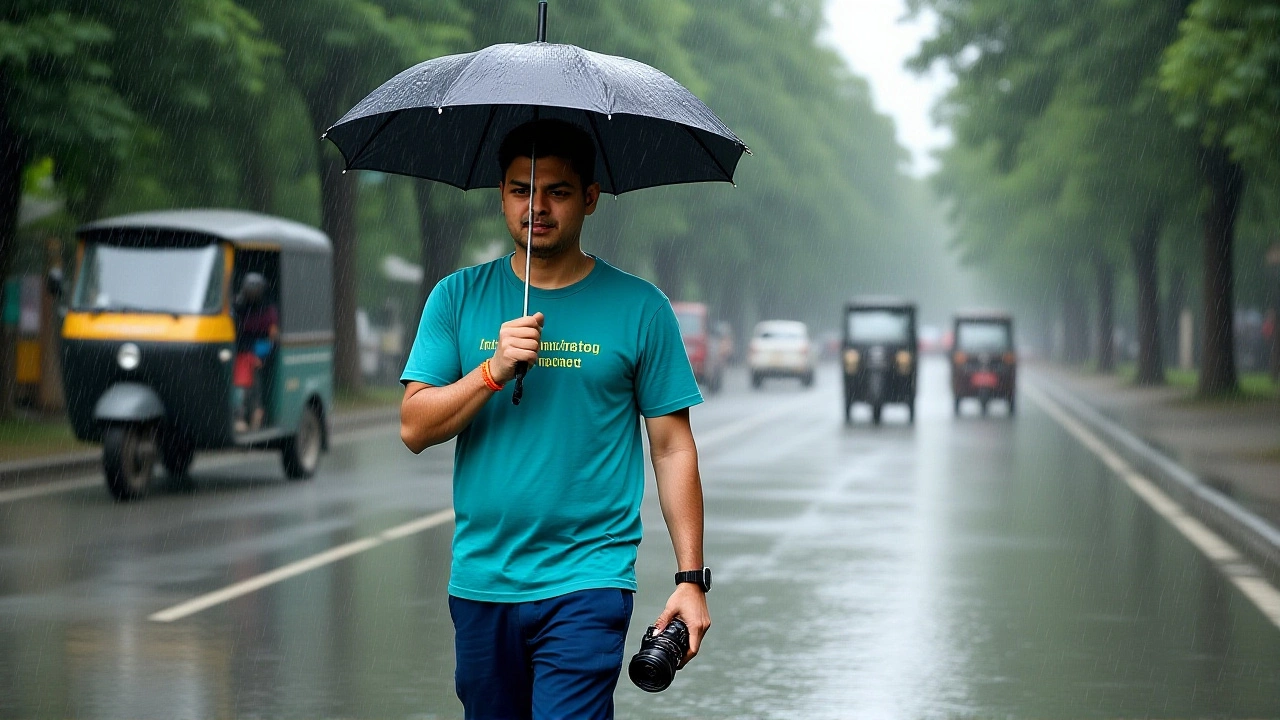
The 1912 Helpline Gets Priority Status
If you live in Uttar Pradesh, you’ve probably seen the number 1912 plastered everywhere. It’s the national power complaint helpline, managed jointly by central and state authorities. Previously, calls often languished in queues or got lost in bureaucratic red tape. Not anymore.
New instructions mandate that every call received via 1912 be treated with top priority. Complaints must be resolved within four hours wherever possible. Field teams have been instructed to prioritize tickets logged through this channel over routine maintenance tasks. It’s a small tweak, but it could make a big difference for frustrated consumers.
Interestingly, data from March showed that only 60% of complaints filed via 1912 were resolved within the stipulated time frame. The new protocol aims to push that figure above 90%. Whether it succeeds remains to be seen.
Why Now? The Heatwave Connection
Turns out, timing matters. The Indian Meteorological Department declared a severe heatwave alert across five northern states earlier this month. Uttar Pradesh bore the brunt, with several districts recording maximum temperatures exceeding 46°C. Hospitals reported increased cases of heatstroke, especially among outdoor workers and elderly citizens living without fans or ACs.
This crisis forced policymakers’ hands. Political pressure mounted after viral videos surfaced showing neighborhoods plunged into darkness during evening hours. Social media erupted with hashtags demanding reliable power. The government couldn’t afford to ignore the public outcry—not with elections looming in some constituencies next year.
Moreover, industrial sectors warned of potential production losses if power instability continued. Factories rely on consistent voltage levels; sudden drops can damage machinery and halt operations. By stabilizing the grid, the state hopes to protect both livelihoods and economic growth.
What Comes Next?
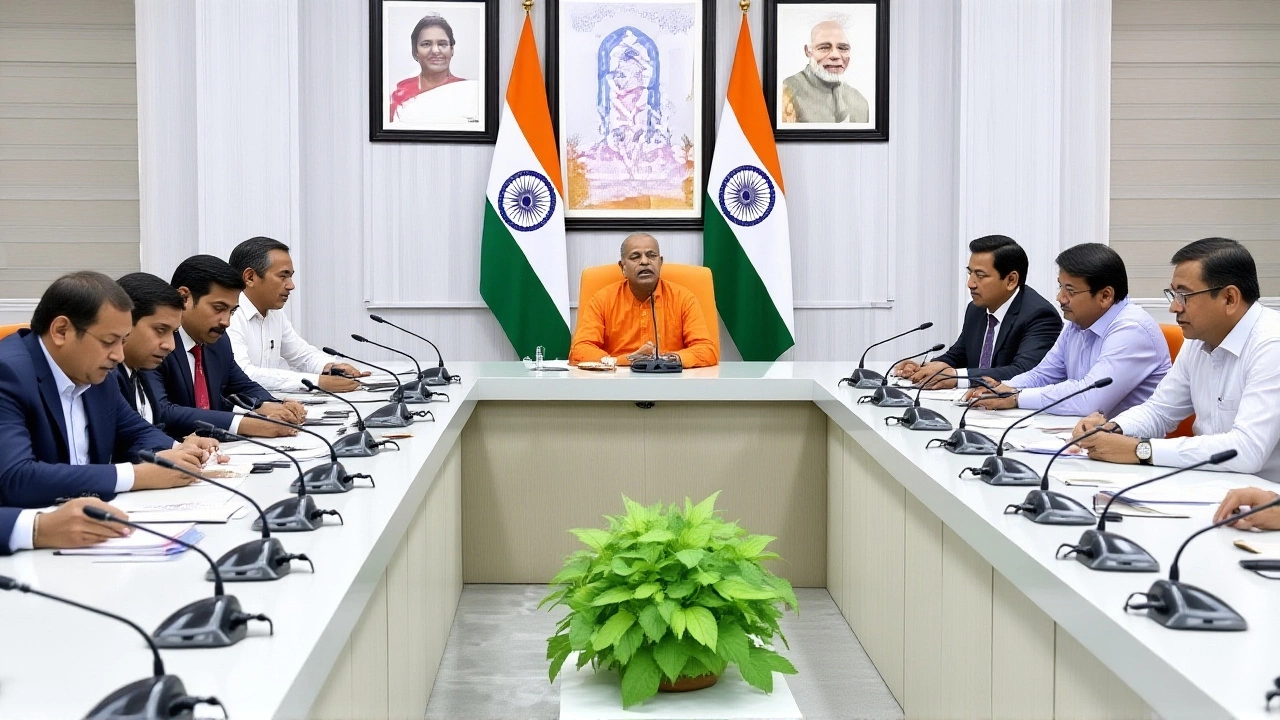
So what happens after the initial crackdown? Monitoring continues. Weekly reviews will assess progress across districts. If violations persist, more suspensions—or worse—are likely. Meanwhile, UPPCL plans to upgrade aging infrastructure worth ₹2,300 crore ($278 million) over the next two years. That includes replacing old transformers and expanding transmission lines.
Experts say short-term fixes won’t solve long-term problems. “You can suspend officers,” says Dr. Rajesh Kumar, an energy policy analyst at Delhi-based think tank Observer Research Foundation, “but unless you invest in generation capacity and smart grids, you’ll keep fighting fires instead of preventing them.”
Still, for now, families in villages and cities alike are breathing easier—literally. As monsoon clouds gather on the horizon, let’s hope the current momentum holds until relief arrives naturally.
Frequently Asked Questions
Who were the two suspended officials?
The identities of the two suspended officers have not been officially disclosed as of May 24, 2026. Reports indicate they held mid-to-senior level positions within regional power distribution units. Authorities cited negligence in managing peak-load demands as the reason for their removal pending further inquiry.
How does the new power schedule affect rural households?
Rural areas are guaranteed a minimum of 18 hours of electricity per day under the revised policy. Previously, supplies varied widely depending on location and seasonal conditions. This standardization ensures basic needs like lighting, cooking, and refrigeration are met consistently, even during extreme weather events.
Is the 1912 helpline free to use?
Yes, calling 1912 is completely toll-free across India. Users can report outages, billing issues, or safety concerns related to electrical services. Under recent directives, all incoming queries from Uttar Pradesh must be addressed urgently, reducing average resolution times significantly.
Will there be additional penalties for future failures?
While specific details haven’t been published, insiders confirm that repeated lapses may lead to termination of employment contracts or transfer to remote postings. The emphasis is on creating a culture of responsibility rather than mere punishment, though consequences will escalate if improvements stall.
When did the heatwave begin affecting power grids?
Severe heat conditions started impacting grid stability in late April 2026, coinciding with rising ambient temperatures across North India. Peak stress occurred during the third week of May, prompting emergency measures including the deployment of extra engineering staff and prioritized complaint handling protocols.